
The Science of Hope: Understanding Blastocyst Culture
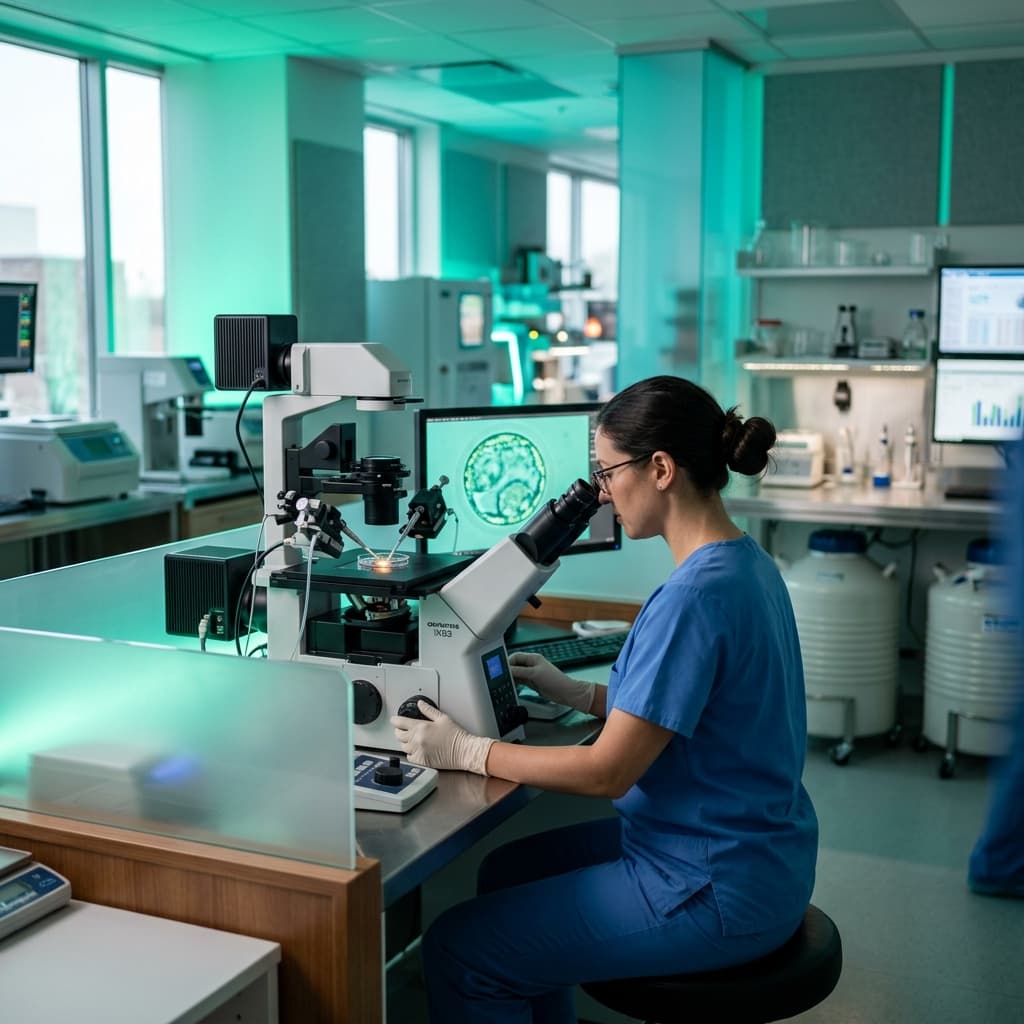
In the modern fertility landscape, the embryology laboratory is where the invisible becomes tangible. One of the most significant breakthroughs in laboratory science is the mastery of Blastocyst Culture—the technique of nurturing embryos in a high-fidelity environment for a full five days until they reach the blastocyst stage.
Why wait five days? In nature, an embryo typically enters the uterus on the fifth day after fertilization. By mimicking this biological clock in the lab, embryologists can better identify which embryos have the greatest developmental potential. It's a process of natural selection, observed with surgical precision.
Our laboratories utilize advanced incubator technology that maintains a perfect micro-environment. Every parameter—from gas concentrations to temperature and pH levels—is monitored with millisecond accuracy. This 'Atmosphere of Excellence' ensures that the embryos are never stressed, allowing them to focus entirely on their cellular journey.
Embryo grading is another facet of this science. Using high-resolution optics, our team assesses both the Inner Cell Mass (which becomes the baby) and the Trophectoderm (which becomes the placenta). This detailed data helps us select the single most promising embryo for transfer, significantly increasing the likelihood of a successful pregnancy while minimizing the risks of multiple births.